Skills-First Hiring: Transforming Talent Acquisition for the Future Economy

Skills-First Hiring: Transforming Talent Acquisition for the Future Economy

Introduction

It’s widely accepted in today’s talent climate that skills-first hiring will inevitably become an essential part of corporate hiring strategies – but what is it, and why is it set to be “the future of talent acquisition”?

Skills-First Hiring – What Is It?

Skills-based hiring prioritises an applicant’s skills over traditional indications such as education levels or previous work experience. It focuses on matching individuals with roles based on their abilities and competencies, rather than solely considering job history, formal qualifications or personal characteristics.

Many job seekers will attest to the frustrating paradox within hiring – you have to have experience in order to get experience – and so with skills-based hiring, ability becomes the measure of a candidate; in short, you can have the job if you can do the job. A willingness to judge people on an individual basis, with their unique expertise, opens up a much bigger pool of potential candidates. Talent, after all, comes in all shapes and sizes and from different career backgrounds and age groups. A skills- based approach removes the focus on education and experience. It shifts this focus to capability, reducing bias in the hiring procedure.

The Process

Looking at the process of skills-first hiring within talent acquisition practices, the skills- first approach is more likely to involve a practical element, so a candidate’s claims can be put to the test before an offer of employment is made. This method of screening potential hires offers an evidence-based approach to recruitment, so there may be targeted skills-based questions and tests to reveal competency in specific areas. Instead of relying on previous job roles as signals of talent, the idea is to look beyond just what’s on the CV and really understand what someone can do.

The process differs from that of traditional hiring procedures, because employers are likely to take into account things like soft skills, life experiences outside of the workplace, and natural capabilities (including ones that may not have previously been used at all within an employment context). More nuance is required in order to see a person’s potential beyond a cover letter, and the overall process may look a little more complex – but the results can be hugely advantageous.

The Advantages

For the Company:

The benefits of this new approach to hiring can be numerous for a company. The method serves to expand the talent pool, reduce bias, and improve the quality of employment. Organisations adopting skills-based hiring tend to be the ones staying agile and keeping pace with both the changing nature of work, and the ever-shifting market demands.

By focusing on what individuals can do, rather than where they have come from, companies can better align their hiring practices with their strategic goals. This goes on to reduce the number of mis-hires and boost retention, transforming the hiring process. Liz Newman, HR Director at Stratospheric Platforms*, states that “interview practical tests have been a game-changer for certain roles at SPL, revealing real talent beyond the CV and ensuring confident hiring decisions.” When companies invest in their people, they are also demonstrating a commitment to employee development. By prioritising the upskilling and reskilling of their existing employees, they can utilise the talent they have, rather than relying on costly external hires.


*stratosphericplatforms.com


A further potential advantage is that by hiring based on skills rather than traditional qualifications, firms can be better positioned to respond to rapid technological advancements and industry changes, which may be out of their control. With the recent pandemic being a good example of this, it demonstrates that companies with a skills-led approach are able to pivot far more effectively during periods of change, as their workforce is more adaptable. With technology advancing more and more quickly, a focus on skills can get firms the talent that they need in order to stay ahead.

When focusing on skills, companies can build a more versatile and capable workforce, driving innovation and growth. An organisation that endeavours to increase diversity within the employee cohort, and to boost overall employee satisfaction and engagement through investment in existing talent, will inevitably see a spike in their attractiveness – as well as their employee retention and loyalty. After all, people will remain where they feel valued.

For the Individual:

Skills-first hiring can provide an open door into roles that may previously have been inaccessible through traditional hiring techniques, creating a more level playing field for those who have learnt skills in non-traditional environments, are self-taught, or have acquired skills through apprenticeships or on-the-job learning.

By looking at skills, a person is more likely to be considered within a talent pool that, based on the arbitrary practices of old hiring techniques, may have discounted them right at the start. For example, if someone has the same skills as another candidate but without the specific degree or previous identical job role, then traditional hiring processes may have excluded them at the very first stage of shortlisting, based on their CV alone. For this reason, a skills-first approach is bound to increase diversity. This provides new opportunities and greater chances for those on the outskirts of a candidate cohort.

There is a plethora of other positives for the individual when it comes to their skills being the main asset. When there is a focus for the individual on skills development, training and upskilling, it ensures the employee remains adaptable and motivated in their career. A person is also more likely to feel fulfilled and confident in a workplace environment that perceives and utilises the unique offerings that they, and they alone, can bring. A skills-first approach provides an individual with more options for career changes and internal movement, increasing their assurance in their own abilities. Their personal potential is expanded, in addition, if they know it can be possible to land a particular job without the traditional hurdles that keep many stuck on a restrictive career pathway.

For the Talent Market and the Wider Economy:

It’s clear, then, that using a skills-first approach in the hiring process can help to create a more diverse and inclusive talent base – something that can only be a good thing, in light of the rising importance of DE&I standards. What’s more, evidence from Deloitte* shows that organisations using this approach are 107% more likely to place talent effectively, 98% more likely to retain high performers, and more likely to build reputations as good places for career progression. The positive response from candidates, and the ability to tap into hidden talent pools, means it also makes acquisition easier for employers when they’re in the market for talent.

Skill Collective, a UK-based consultancy specialising in skills transformation, state that if talent acquisition teams take ownership of collecting, verifying and distributing skill data, this could completely transform the way businesses operate. Having hard, verified data around skills would show exactly what a candidate can do and how they’ll contribute to an organisation’s future. skillcollective.co.uk

With all of this considered, skills-first hiring has the potential to decrease unemployment, retain great talent, and improve hiring practices through skills-based data technology. With less unemployment and higher retention, there can be more productivity – leading to a better performing economy overall.


*Read the article here:

https://www2.deloitte.com/us/en/insights/topics/talent/

organizational-skill-based-hiring.html


The Challenges

This change in approach when it comes to hiring doesn’t come without its potential challenges, however. There will probably be a need to create brand new strategies and structures dedicated to hiring and internal talent progression, requiring an investment of both time and cost.

Time and Training:

Taking a new stance towards talent acquisition will require extra time and training for those who are involved in the process – in particular, HR personnel. A skills-based approach requires hiring managers to know how to assess skills in a measurable way. This may include workshops, e-learning modules, and instruction in the creation of clear skills-focused job descriptions. Hiring managers who haven’t received sufficient training on a new hiring system may naturally default to what they know, so adequate guidance is essential.

Additionally, it is likely that increased time will be needed on candidate screening – especially where soft skills are being brought into the equation – due to the nuanced nature of decision making in the skills-first approach. It can be difficult to assess soft skills through tests alone, and it can be challenging to verify the authenticity and quality of a candidate’s skills without the traditional verification benchmarks such as degrees. Companies will need to invest time in meticulously mapping out the skills required for each role, including proficiency levels, to ensure the right person is hired.

The training needs of candidates must also be considered. New hires with non- traditional educational backgrounds might require additional training to align with company-specific practices and culture, in addition to their on-the-job learning process.

Technology:

As well as the manual aspects of the process, there is also the technological side to consider. Organisations may need to implement new skills assessment platforms and AI-driven tools to record data, and to streamline the process of assessing, tracking and comparing candidates’ competencies. Tools such as these can be time- consuming and costly to develop and administer, but without integrating this tech, hiring teams may struggle to scale up their skills-based practices. This is because older, legacy HR systems may not be equipped to handle skills-based data or to integrate it with other talent management systems.

Risk of Bias:

While skills-based hiring is designed to be inclusive, there’s a risk of creating bias against those with traditional qualifications, and potentially missing out on great candidates with strong experience. Those who may have been to very good schools, or spent years in relevant roles, might be overlooked in favour of those with the right skill set but less experience.

It’s important to remember that there are positives to traditional hiring techniques, so a holistic approach to the decision making process is required in order to remain inclusive and open-minded when finding the right talent for the role.

Conclusion

So, considering all the points above, why should your company consider a skills-first approach to hiring?

In the context of modern business practices, prioritising recruitment means rethinking how we identify, engage and attract talent into a company. And, in the increasingly competitive talent market, the businesses that have established a skills-based talent acquisition process will often have the competitive advantage over their peers.

With the recruitment landscape continually evolving, talent acquisition leaders must be adaptable and open to new methodologies and technologies in hiring. Staying up to date with industry best practices and innovative tools for skills assessment is therefore a crucial part of the hiring process.

Although there are challenges and significant investments of time and cost with any new approach, embracing new ways of bringing people on board will no doubt lead to greater diversity and inclusivity. This will ultimately drive high performance and growth, creating highly adaptable working environments that motivate individuals to succeed.


If you would like to learn more about this topic, and how we can support your talent strategy, please feel free to get in touch with Hugo Reoch or Helen Davies on hugo.reoch@henleyresearch.com / helen.davies@henleyresearch.com for a confidential conversation.


Looking to fill senior roles in your company? Here are 5 tips for doing it effectively

Looking to fill senior roles in your company? Here are 5 tips for doing it effectively

Filling senior roles in your business is no easy challenge. Finding someone with the right skills, knowledge and cultural fit are all crucial factors to consider. How can you make sure you’re attracting the best talent? here are our top 5 tips:

1️⃣ Succession Planning – Make sure your talent strategy is future-proof to ensure a pipeline of capable leaders for the future.

2️⃣ Strong Onboarding Process – Develop a comprehensive onboarding program to integrate the new hire smoothly into the team.

3️⃣ Leverage Talent Research Experts (like ourselves) – Our extensive research expertise and sector knowledge will give you larger and higher quality talent pools.

4️⃣ Focus on Diversity, Equity, and Inclusion (DEI) – Ensure a diverse slate of candidates to bring in varied perspectives and drive innovation

5️⃣ Offer Competitive Packages – Ensure the salary and benefits package is competitive and reflective of the senior role so top talent will be attracted to your company. Henley Reward Consulting can help with this with their incredibly useful benefit reviews to help keep you ahead of the competition.

By following these best practices, you can enhance your chances of securing senior leaders who are not just skilled and experienced, but also aligned with your company’s long-term goals and culture.

Ready to Find Your Next Leader?

Contact Henley Research today to discover how we can assist you in your executive search needs. Our team of experts is here to help you find the perfect fit for your senior roles.

Pay Transparency: From Visibility to Fairness

How to identify and address pay inconsistencies through job evaluation, market benchmarking and job architecture

Important Notice: Fraudulent Emails

We have been made aware of emails circulating that appear to have been sent by Mark Senior (former MD of Henley Research). These messages are not genuine and have not been sent by Mark or Henley Research. If you receive an email that claims to be from Mark Senior and...

Why Pharma Talent Acquisition Teams Are Investing in Talent Intelligence

Advances in artificial intelligence, personalised medicine, digital health, and emerging therapies are transforming how organisations operate and compete within the Pharmaceutical sector. At the same time, demand for highly specialised scientific, technical, and...

Workforce Planning in an age of uncertainty

Set against a backdrop of increasing uncertainty, organisations across all sectors are now operating in a period of overlapping disruption rather than isolated change. Traditional workforce planning models were built for relative stability: predictable growth cycles,...

The EU Pay Transparency Directive: Why UK Employers Should Be Paying Attention 

Starting in June 2026, EU member states will introduce a new framework that fundamentally shifts the current pay equity laws. On 7th June, each member state will have to sign into law more transparent legislation on remuneration and gender pay gaps.   Employers...
Technology hiring trends in 2026 reflect a major shift in how organisations approach digital transformation. Over the past few years, businesses have invested heavily in cloud platforms, automation, and AI tools. In 2026, the focus is moving from adoption to...

Autumn Budget 2025 and the Employment Law shake-up: balancing cost pressures with employee expectations around reward models

For many organisations, the Autumn Budget 2025 and proposed changes to employment laws have arrived at a difficult time. Employers are navigating persistent inflation, rising operating costs, and an evolving labour market. At the same time, government policy continues...

Ahead of the curve: AI adoption benchmarking for 2026 and beyond

Regardless of your industry or sector, it will not have escaped your notice – out of nowhere, seemingly, artificial intelligence that feels almost human has become a disruptive technology sweeping its way into the world of business. It’s no wonder that organisations...

Celebrating 30 years of Henley Research

Henley Research is officially 30 years old! 30 years since it all began, we have been looking back over the last three decades. Before the days of LinkedIn, still in the relatively early days of the internet and email, methods of contacting clients and candidates were...

The escalating battle for STEM talent in defence

Executive Summary The UK's defence industry faces a critical talent shortage, posing a significant threat to its operational capabilities and national security. A perfect storm is brewing due to skill gaps in crucial areas like Artificial Intelligence, cybersecurity,...

Talent Attraction Insights: Survey Results

Talent Attraction Insights: Survey Results

We surveyed Talent Acquisition Professionals across a range of sectors and business sizes to gain insights into how well utilised their employer brand is within talent acquisition, and how they believe it needs to work harder for them in attracting top talent in the future.

Could your Employer Brand be working harder for you?

77% believe their employer brand needs further development and adoption

Your employer brand will play an integral role in attracting new talent, so it’s important to get it right

Where do you think your employer brand should play a stronger role in the future?

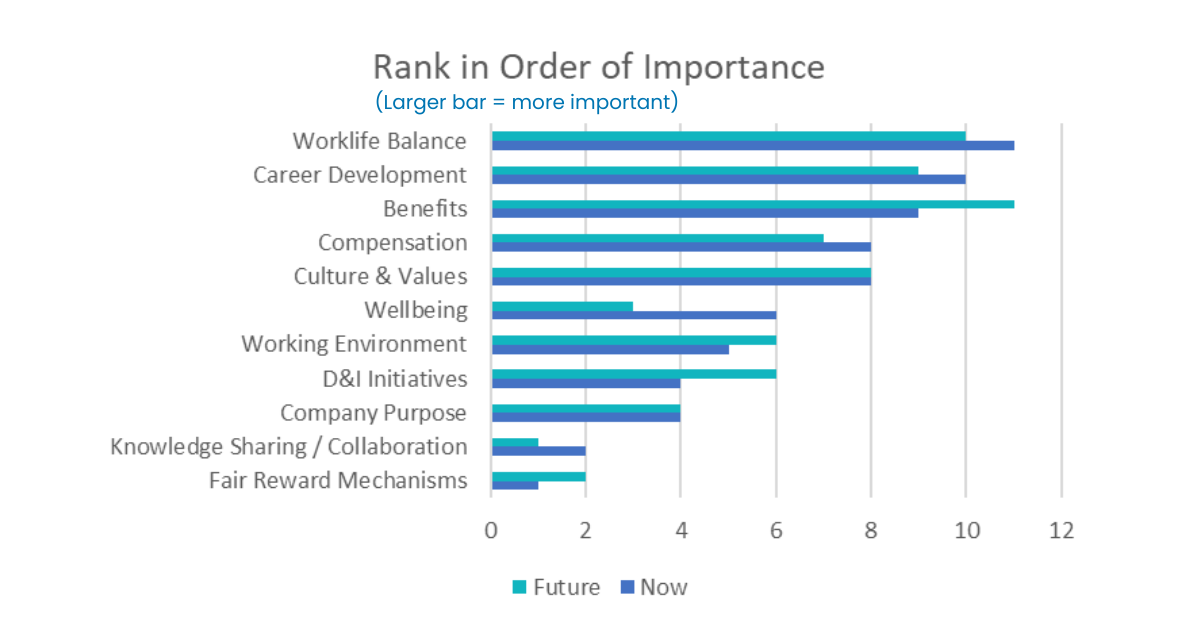
Be proactive in discussing benefits, working environment and D&I initiatives in pre-employment conversations

What features most when talking with prospective employees now and will be more important to discuss in the future?

Key Actions

Understand the market

Ensure you have robust data and benchmarks to reliably inform pay and reward strategies

Gather Insights on how relevant external talent view your brand. Allowing you to address potential barriers ahead of time

Refine recruitment processes, ensuring TA/HR teams are well versed in your USP’s and can proactively drive a positive hiring experience

At Henley Research we have completed over 5000 talent research assignments across a wide spectrum of clients, roles, sectors and business sizes.

We are passionate about ensuring candidates have a premium recruitment experience as we see first hand how vital this is in attracting them to a new role. The employer brand plays a key part in making this process a success.

Getting this right in turn puts our clients in the best position to secure the top talent they need to achieve their business goals.

Please get in touch to find out how we can help

2024 Outlook: Some Practical Steps to Take Your Talent Planning Up a Level This Year

2024 Outlook: Some Practical Steps to Take Your Talent Planning Up a Level This Year

The talent landscape is everchanging, with emerging technologies, shifting demographics, and evolving workplaces all playing their part. In 2024 ensuring you are taking a proactive approach to talent planning will enable your business to be more resilient when the inevitable bumps in the road appear.

To help you plan for 2024, we wanted to share our top tips on how to get ahead – specifically looking at how to get more from talent mapping, pipelining and insights.

1. Talent Mapping

We’ve seen how a more innovative approach to talent mapping really increases the value for our clients compared to more traditional methods.  This means taking a wider view, meticulously charting the landscape of potential candidates beyond quick-fire online searches, by delving into industry communities, professional networks, and online platforms where hidden gems reside.  Discovering different, high quality talent pools that our client’s competition would potentially miss.  To get more from talent mapping in 2024 expect to see ….

  • Sophisticated data analytics to play a starring role, identifying patterns and predicting future talent needs with greater accuracy.
  • Hyper-focused mapping exercises to target specific skill sets and emerging roles – looking beyond your immediate sector – to ensure a ready pool of talent when critical positions arise.
  • Rigorous research digging beneath the surface of potential candidates – assessing company structures, geographic scope, routes to market – to more reliably assess suitability.

    2. Talent Pipelining

    In 2024, we believe clients that put Strategic Talent Pipelining centre stage will see real value in their long-term succession planning.  Building and maintaining a solid slate of candidates for senior roles that don’t currently exist sets up businesses better for success with future hiring needs – by having a ready-made pool of very strong, well-fitting and engaged talent to hire from when the time arrives.    We are passionate about supporting our clients closely on these critical assignments.  Not only in the upfront identification of the best talent, but throughout the process – building excitement, promoting the employer business and brand and by keeping candidates engaged over what can be an extensive period.  However, from our experience the clients that will see the biggest benefits from Strategic Talent Pipelining will also invest in the programme, by: 


    • Encouraging internal TA and Recruiting teams to invest time directly with preferred prospective candidates.  These interactions add additional value beyond our efforts, ensuring candidates feel even more connected with their potential future employers
    • Looping hiring managers and senior leaders into the process – encouraging them to set aside specific time in their diaries to network and build relationships with key individuals.
    • Leveraging social media and other opportunities to engage, such as events, when relevant to create a constant dialogue, fostering a sense of belonging even before they officially join the organisation.

      3. Talent Insights

      We’re predicting the need for talent insights to see an uprise in 2024 – as companies look to take a firmer hold of their business objectives and to optimise the areas they have full control of, helping to offset pressures from external market factors.  Attracting the right talent is only half the battle, TA leaders should prioritise talent insights in 2024, delving beyond CVs and interviews to really understand the potential, motivations, and aspirations of their workforce. Engaging with key industry stakeholders, competitor organisations and potential candidates to learn how to create better resourcing strategies, how to better address skills shortages and how to create the optimal organisational culture and structures.  Talent Insights can take many forms, however we expect to see a rise in the following areas in 2024:


      • Deeper review of D&I initiatives, with a push to much better understand the culture and conditions needed to attract more diverse talent, especially at leadership levels.
      • Moves to optimise organisational structures – to ensure the best set up to meet business goals, taking inspiration from other successful businesses.
      • Widening of talent pools to address skills shortages, with businesses seeking insights such as how to better engage outside of their sectors, how to connect better with potential new talent, how their company brand perceptions are working for and against them.

      Embracing these talent trends in 2024 will better empower businesses to navigate the ever-changing external landscape with more confidence. By proactively mapping the talent landscape, building robust strategic pipelines, and unlocking valuable insights, companies can better discover, attract, engage and retain a workforce that drives success in the years to come.

      How We Can Help…

      At Henley Research we are dedicated to closely partnering with our clients to provide a comprehensive and personalised service.  Our proactive, strategic approach enables our clients to keep a step ahead with their talent planning and the rigour we apply ensures no stone is left unturned in discovering the best people for your business.

      To find out more please get in touch.

      Great Feedback on Talent Mapping and Competitor Insight

      Great Feedback on Talent Mapping and Competitor Insight

      One year ago, Henley Research delivered a significant Talent Mapping and Competitor Insight analysis to a major international FMCG manufacturing client. This client asked Henley to look into its four major global competitors in North America and in Europe. Our brief was to identify all senior-level executives in roles related to Commercial, Marketing & Sales, Innovation, Business Development, R&D, General Management and Sustainability.


      The reason our client wanted this information was essentially twofold:


      • They wanted to better understand their competitors’ organisational structures (so we provided org charts for each competitor by function by geography)
      • They wanted a list of potential candidates from their key competitors (we produced a detailed mapping report with over 700 profiles in total)


      Our report was widely circulated within the client organisation to a range of senior stakeholders, and the market/competitor insight was well received. Last week we also received this feedback: “from the work that you did we have been able to make 40 hires and achieve around $1m in cost avoidance with recruitment agencies”.


      This shows the value our clients can expect from Talent Mapping combined with Competitor Analysis, and the very real cost savings that can be achieved.

      To find out how our services can help your business, please get in touch.

      Email: helen.davies@henleyresearch.com

      Tel: +44 (0)121 201 3333